Hot-water boilers: how they work and where they are used
A hot-water boiler heats water without boiling it and sends it to the heating system. It is the most common equipment for heating buildings.
How it works
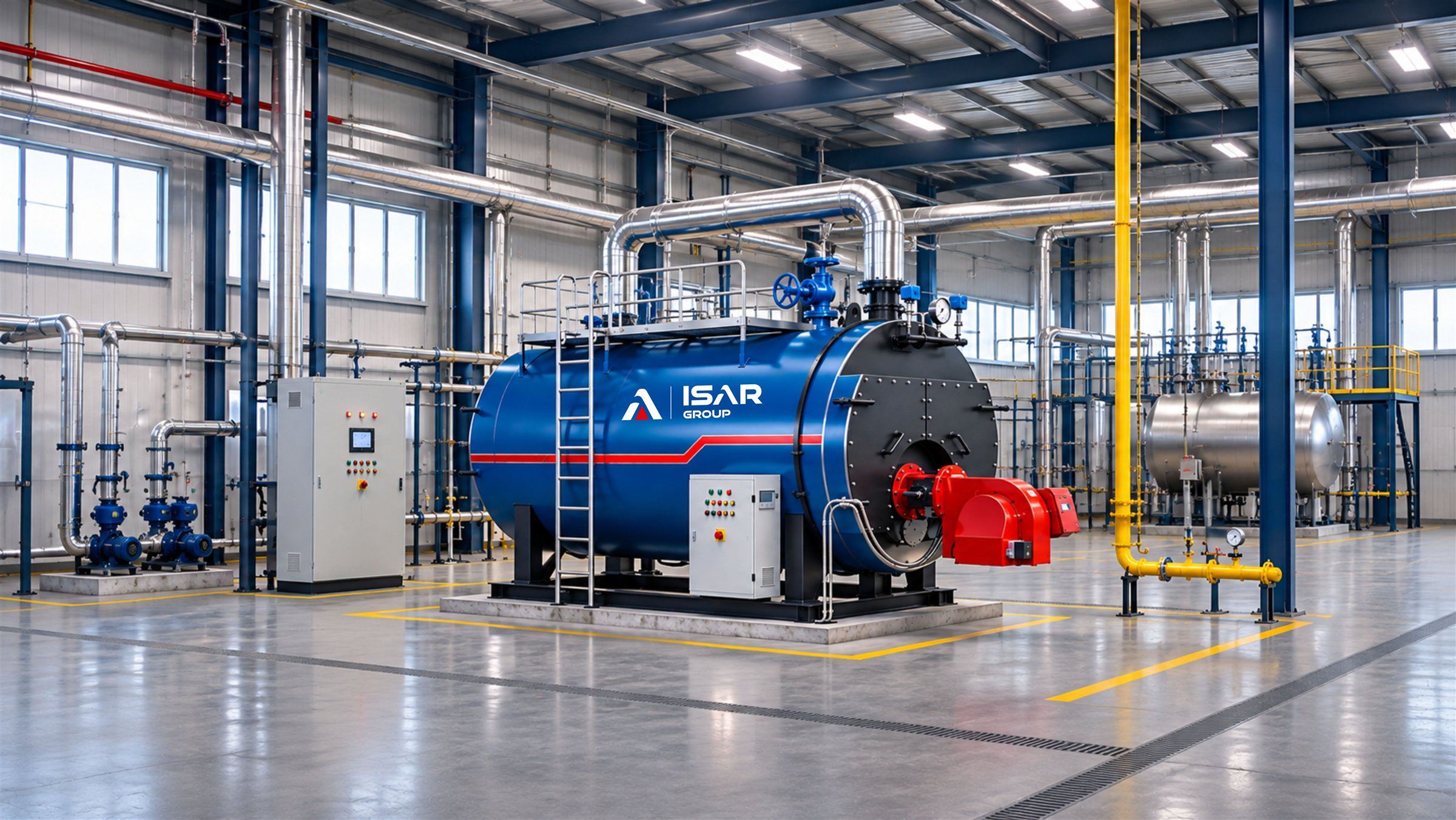
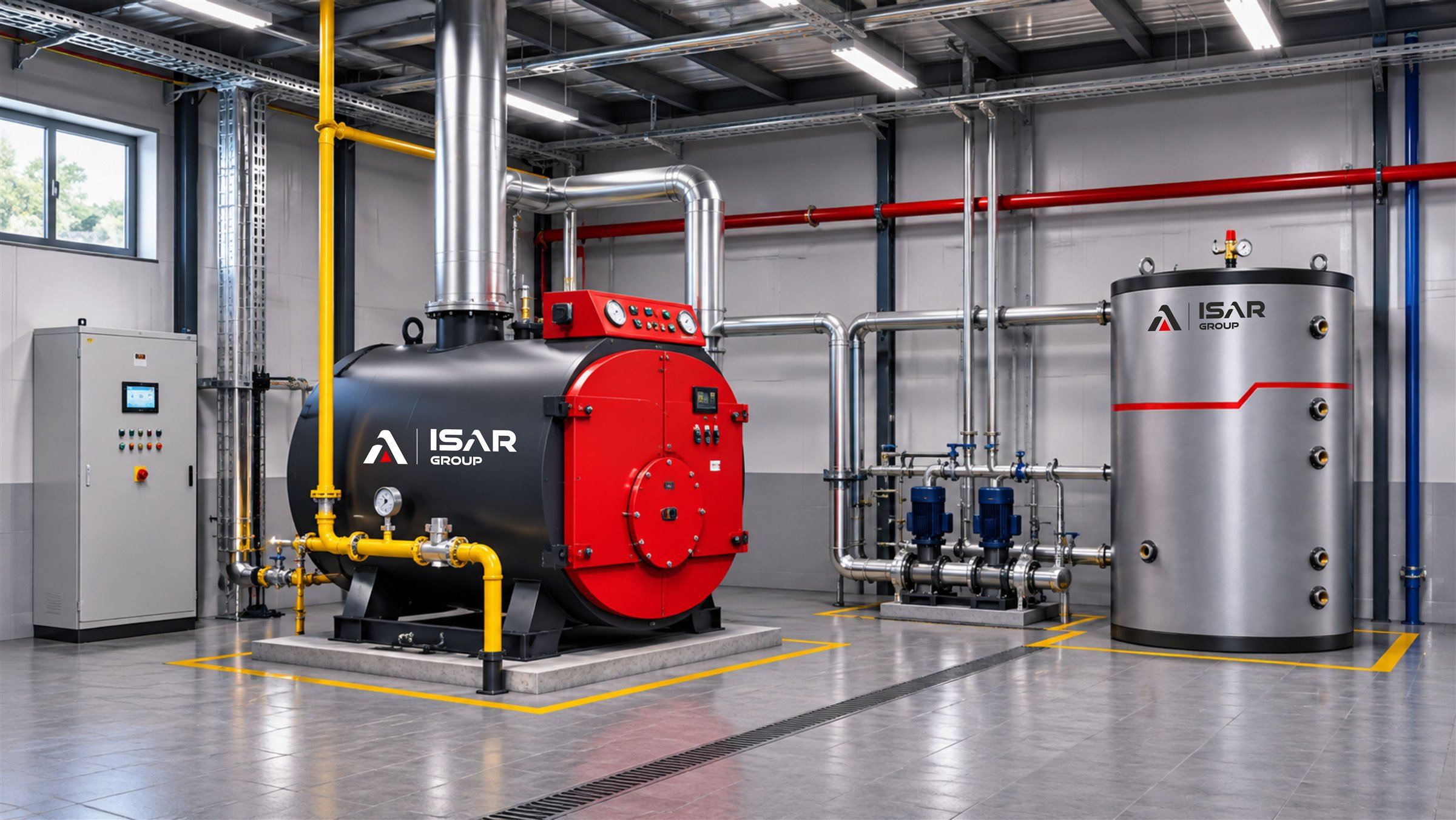
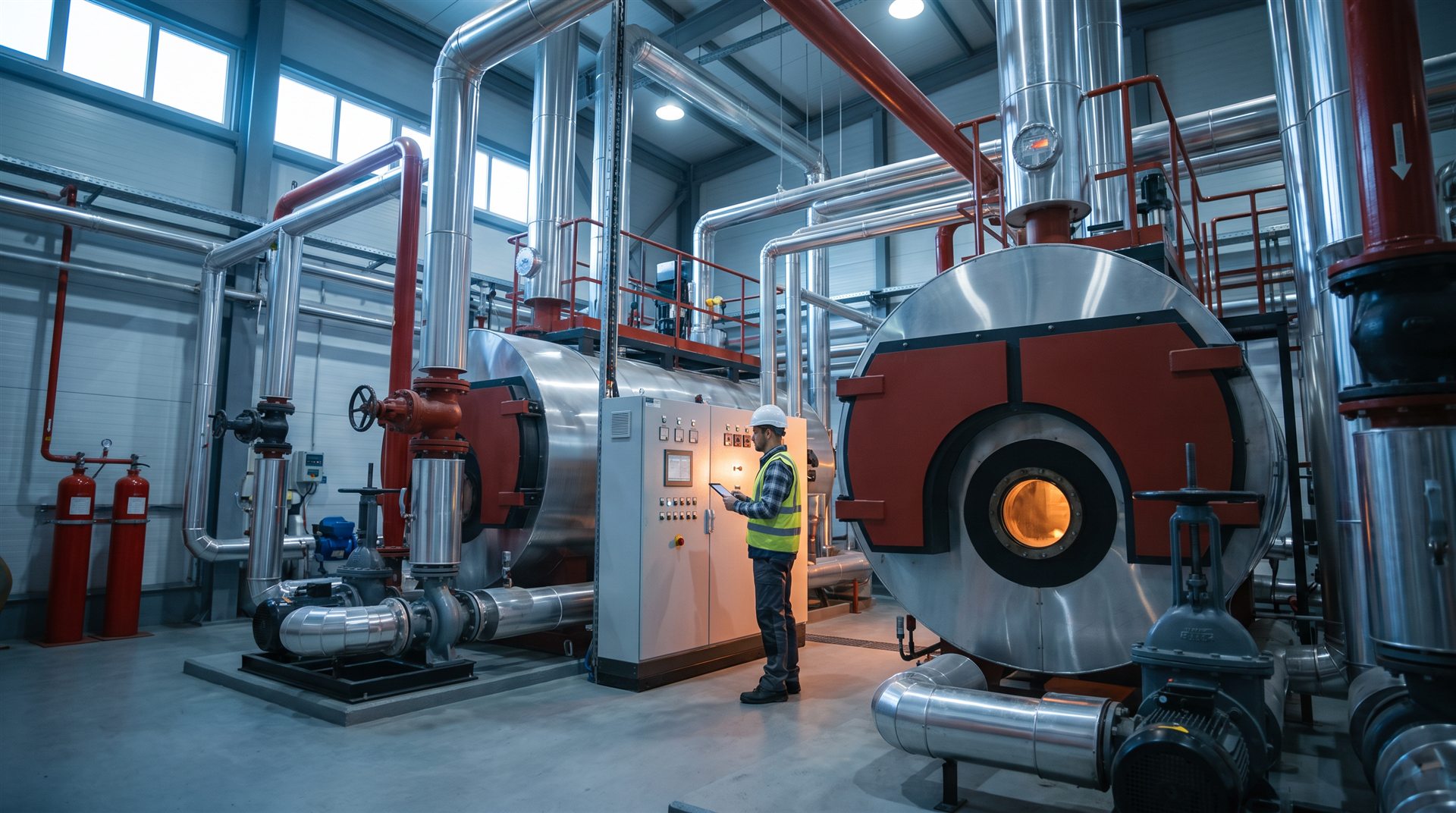
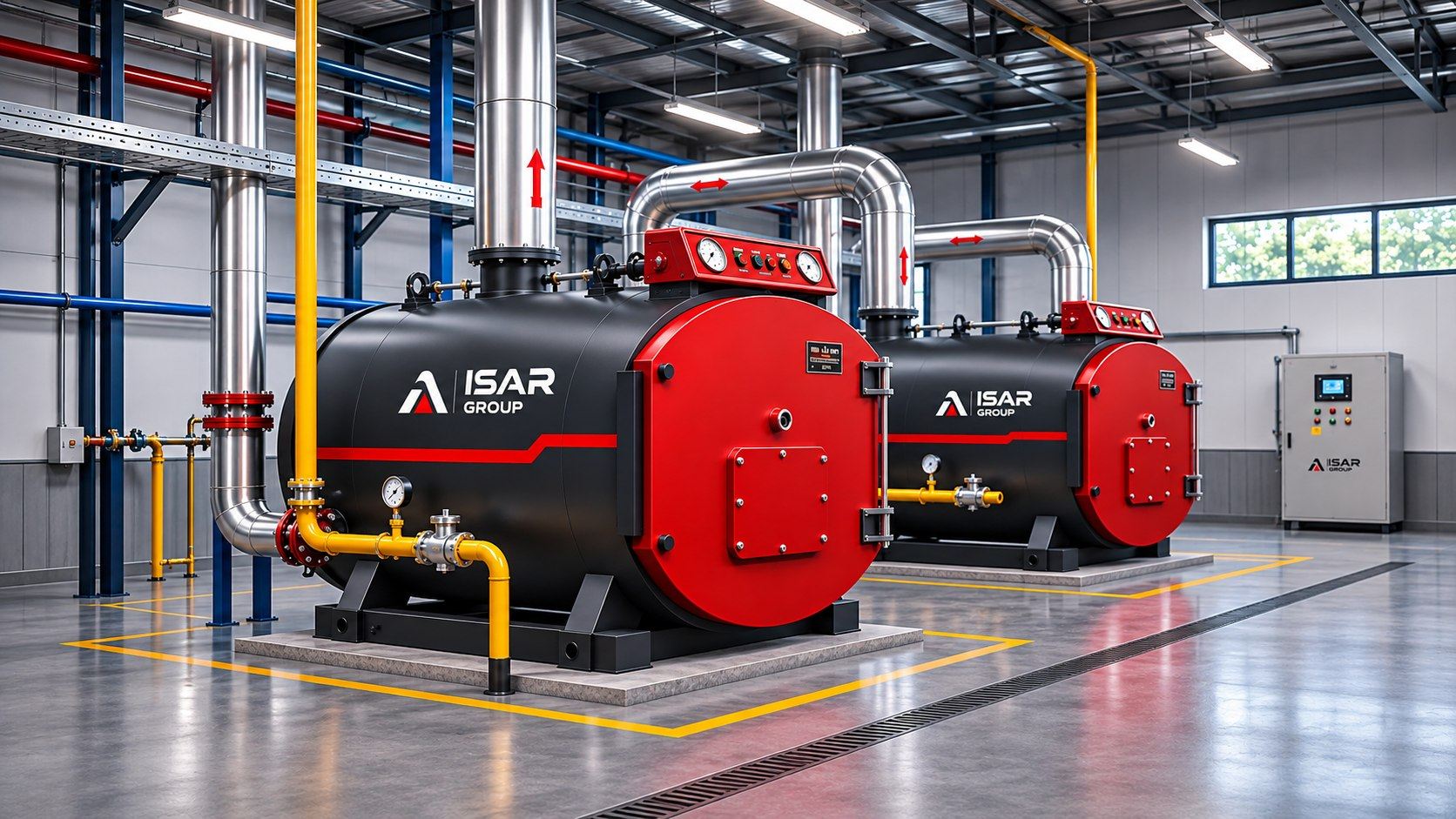
Fuel burns in the furnace and the hot flue gases heat the water as they travel through the boiler passes. A circulation pump sends the heated water to the heating system: radiators, underfloor heating or a heating network. Having given up its heat, the cooler water returns to the boiler through the return line and the cycle repeats.
How it differs from a steam boiler
In a hot-water boiler the water does not reach boiling point and the system works as a closed loop. That makes it simpler, safer and easier to run than a steam boiler. A steam boiler is chosen only when processes actually need steam.
Where it is used
Hot-water boilers heat housing complexes, schools, hospitals, hotels, offices and industrial buildings. District heating networks, greenhouses and swimming pools are heated by them too. Together with a water heater they also provide hot tap water.
What makes it efficient
The number of passes, the heat-exchange area and the casing insulation determine efficiency. In three-pass boilers the flue gases travel further, so more of their heat is used. A well-tuned burner and clean heating surfaces also save fuel.
All articles