Electrostatic powder coating: what it is and how it is applied
Steel structures

Electrostatic powder coating: what it is and how it is applied

ISAR GROUP7 November 20264 min read

Electrostatic powder coating is one of the most durable ways to protect metal surfaces and give them a good finish. Unlike liquid paint, it needs no solvents.

What powder coating is made of

Powder coating is a dry, fine powder of resin, pigment and additives. It contains no solvents, so no harmful vapours are released when it is applied.

Electrostatic application

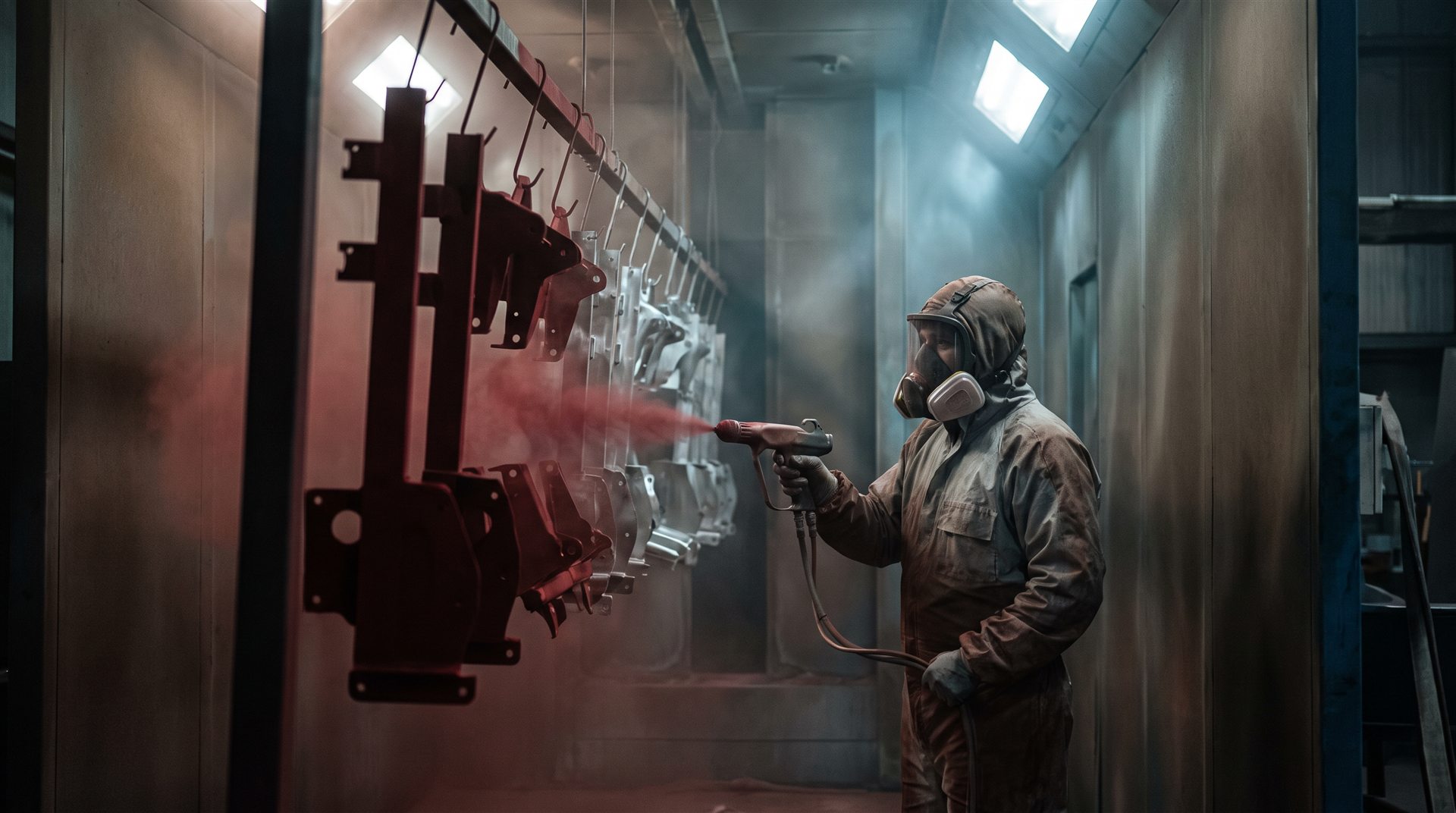
A special gun gives the powder particles an electric charge while the part is earthed. The charged particles are drawn to the part and cover it evenly from all sides, even around the back. Powder that misses the part can be collected and reused.

Curing in the oven

The coated part goes into an oven, usually at 160-200°C. The powder melts, flows over the surface and hardens into a tough, even film. The result is a finish that resists impact, scratches and corrosion.

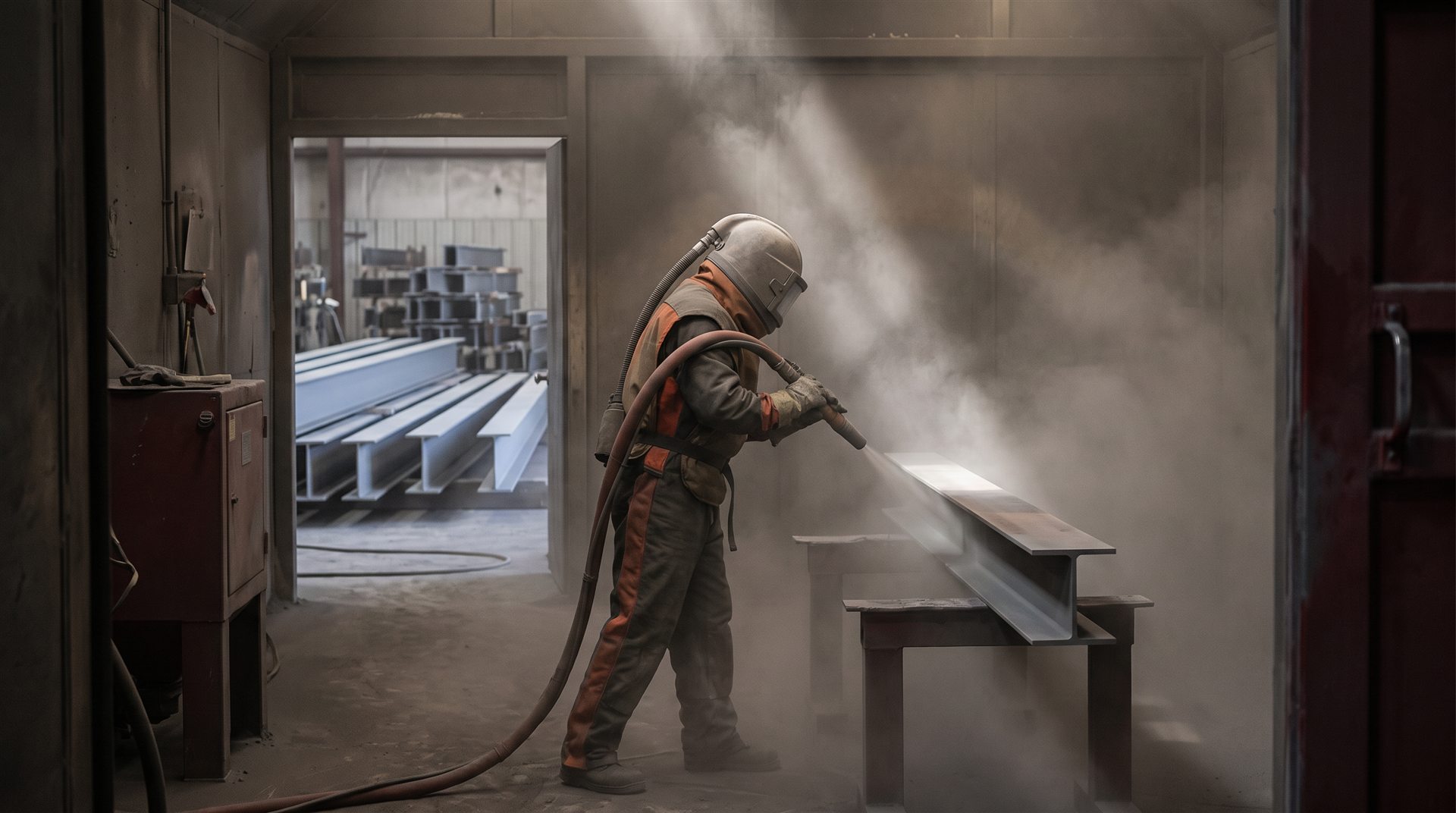
The key to success: surface preparation

A good finish starts with the surface. The part is blasted clean of rust and old paint and degreased. After curing, the film thickness is measured and adhesion is checked. The method is widely used for steel structures, railings, profiles, panels and equipment housings.

All articles
More articles
Steam boilers: how they work and where they are usedHeating systems · 8 November 2026 · 5 min readSteam boilers: how they work and where they are usedA steam boiler boils water to produce steam under pressure. That steam carries heat over long distances and drives many industrial processes.Read Hot-water boilers: how they work and where they are usedHeating systems · 8 November 2026 · 4 min readHot-water boilers: how they work and where they are usedA hot-water boiler heats water without boiling it and sends it to the heating system. It is the most common equipment for heating buildings.Read Water heaters: how single and double coil units workHeating systems · 7 November 2026 · 4 min readWater heaters: how single and double coil units workA water heater, or calorifier, produces and stores hot water. Working with a boiler or solar collectors, it keeps hot water ready in the building at all times.Read Concrete: mix, strength classes and proper curingConstruction · 7 November 2026 · 5 min readConcrete: mix, strength classes and proper curingConcrete is the backbone of construction. Its strength depends not only on the mix but also on how it is placed and cured.Read Rebar: the skeleton of reinforced concreteConstruction · 6 November 2026 · 4 min readRebar: the skeleton of reinforced concreteConcrete resists compression well but is weak in tension. Reinforcing steel makes up for that weakness and makes the structure strong and reliable.Read What to look for when choosing an industrial boilerHeating systems · 6 November 2026 · 5 min readWhat to look for when choosing an industrial boilerA well-chosen boiler runs reliably for years and cuts fuel costs. A few key questions need answering before you choose.Read How to protect steel structures from corrosionSteel structures · 28 October 2026 · 4 min readHow to protect steel structures from corrosionCorrosion is the hidden enemy of steel structures: if it is not stopped in time, it reduces load capacity and drives up repair costs.Read How weld quality is inspectedQuality control · 15 October 2026 · 4 min readHow weld quality is inspectedA weld is the most critical point of any structure. Its quality is checked with non-destructive testing methods that do not damage the structure.Read Reinforced concrete foundations for industrial facilities: the key stagesConstruction · 2 October 2026 · 5 min readReinforced concrete foundations for industrial facilities: the key stagesThe foundation is the unseen but most important part of a building. Industrial facilities with heavy equipment place special demands on it.Read