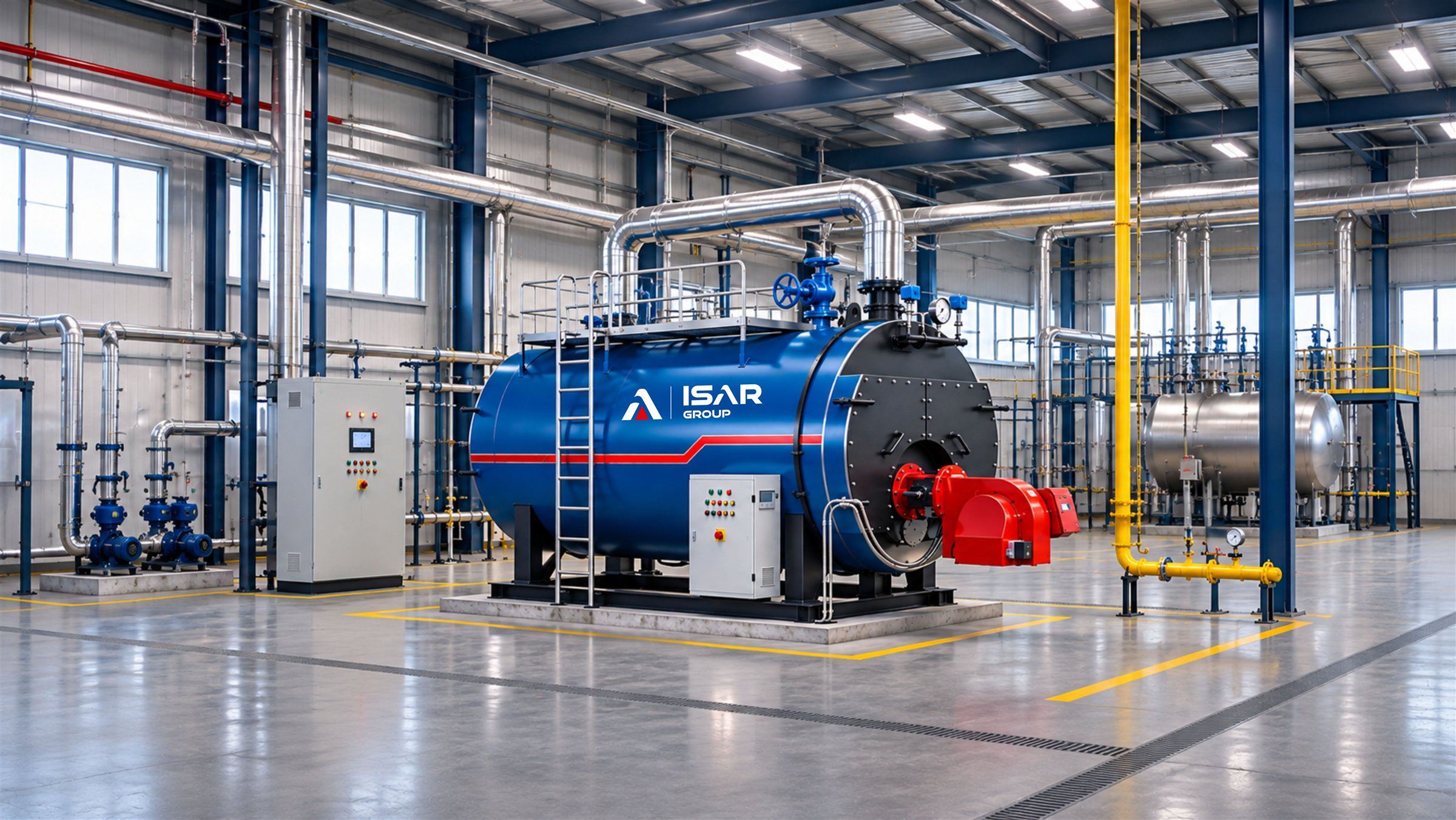
Steam boilers: how they work and where they are used
A steam boiler boils water to produce steam under pressure. That steam carries heat over long distances and drives many industrial processes.
How it works
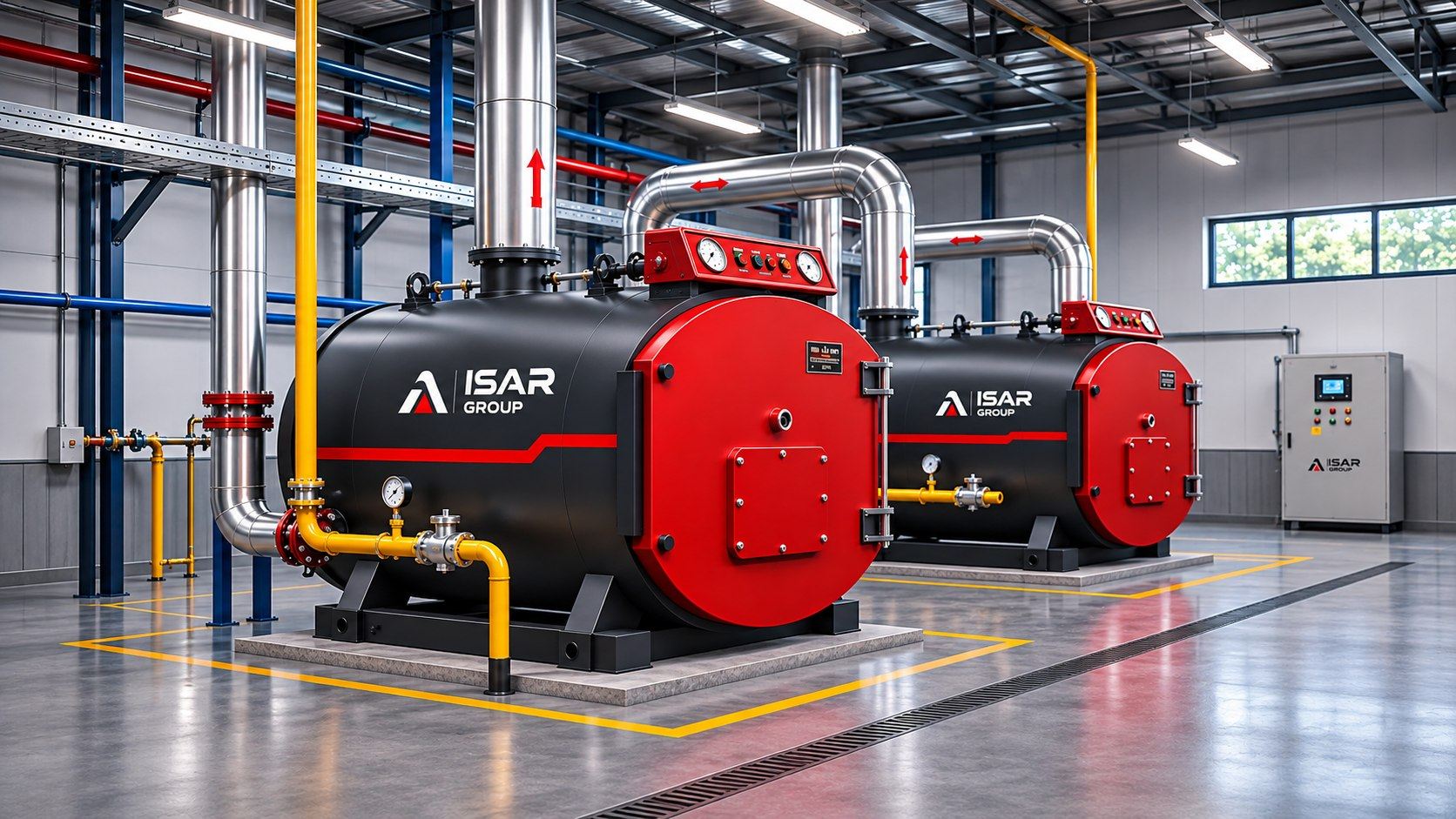
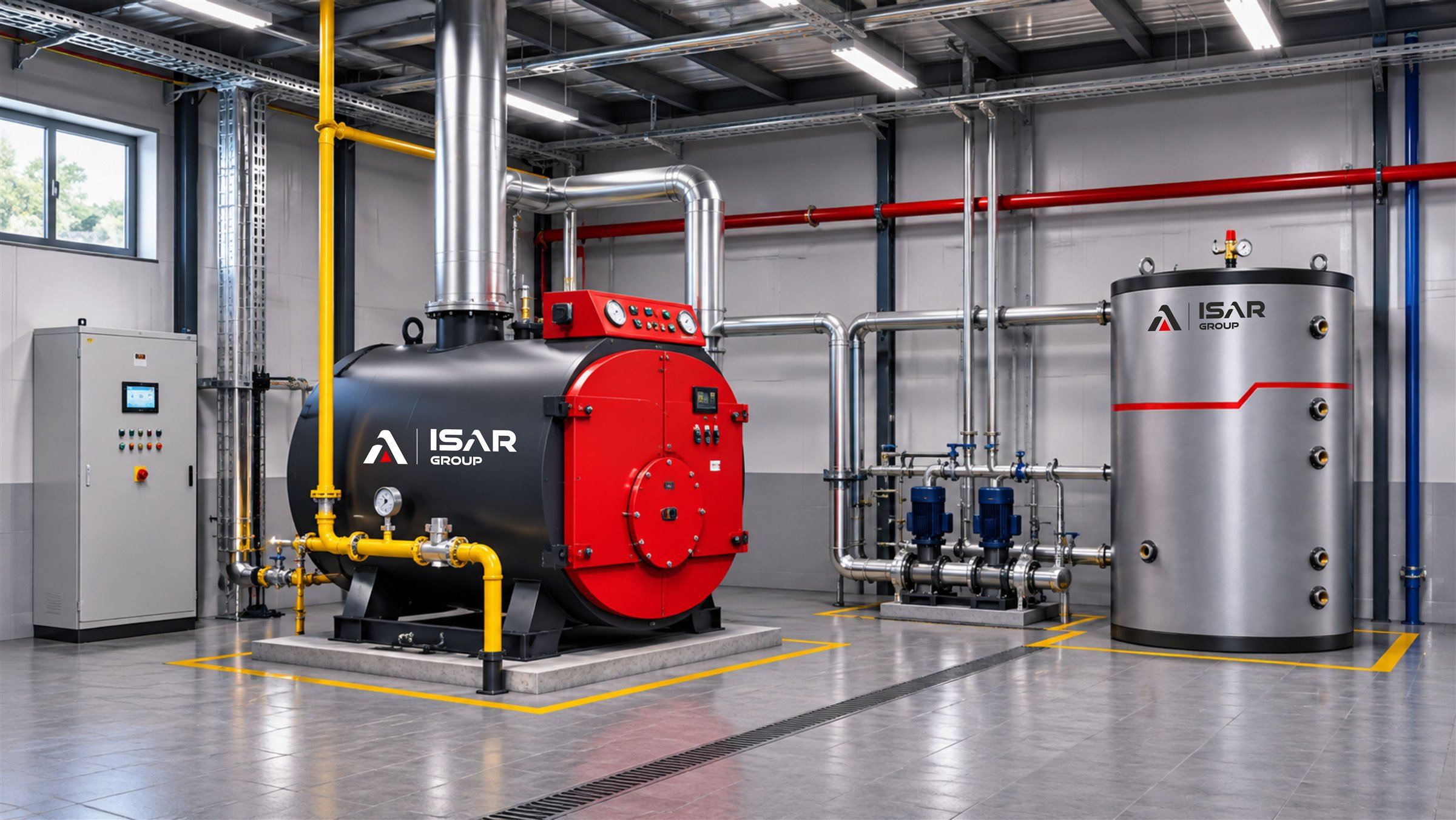
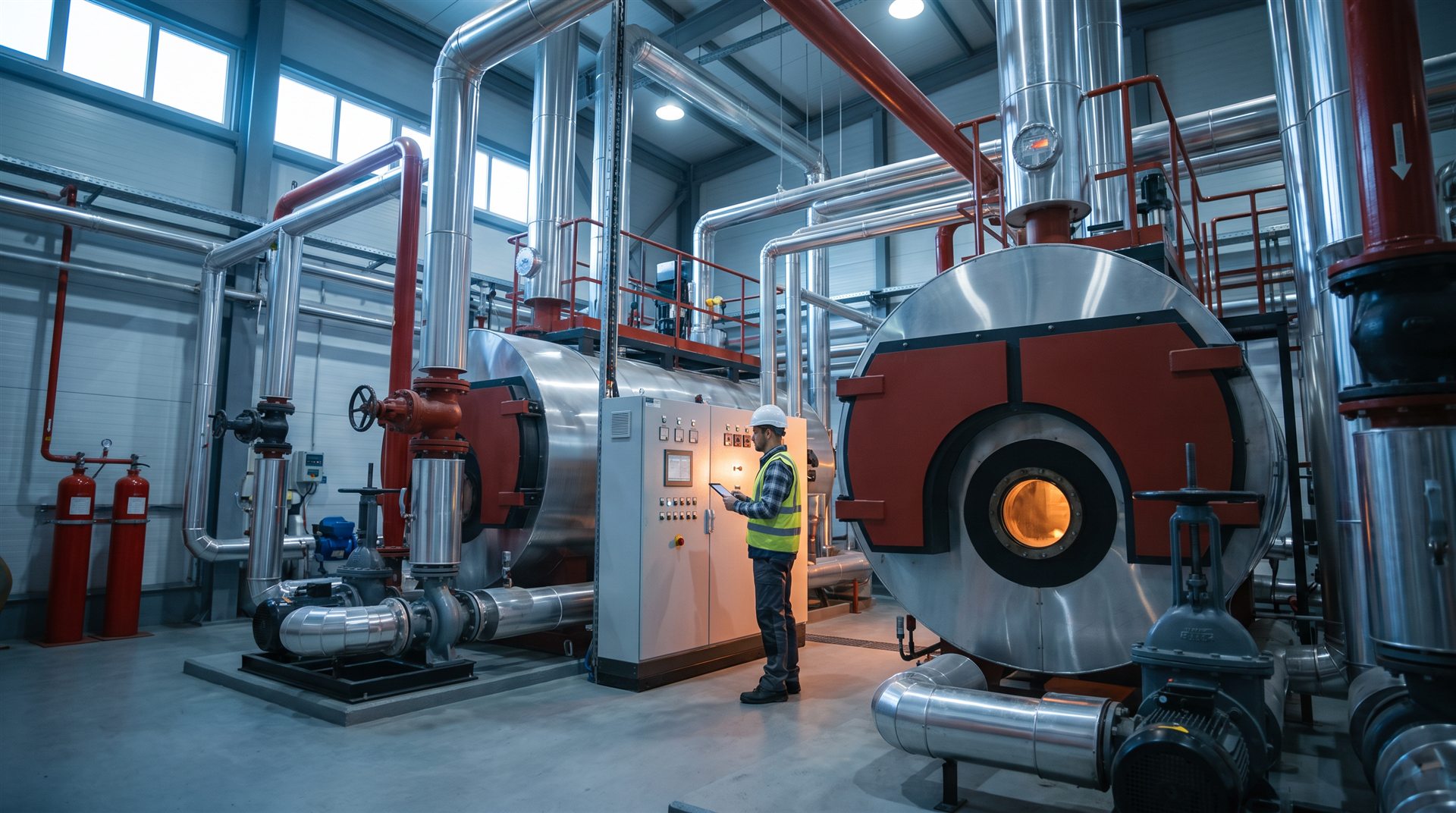
Fuel burns in the combustion chamber (furnace). The hot flue gases pass through fire tubes and give their heat to the surrounding water. The water boils, steam collects in the upper part of the boiler and leaves through the steam valve. The more passes the flue gases make, the more fully their heat goes into the water.
Safety and control
Because a steam boiler works under pressure, its control devices are an integral part of it. A pressure gauge shows the pressure, safety valves release any excess, and water level controls prevent the water from running low. Modern boilers run automatically.
Where it is used
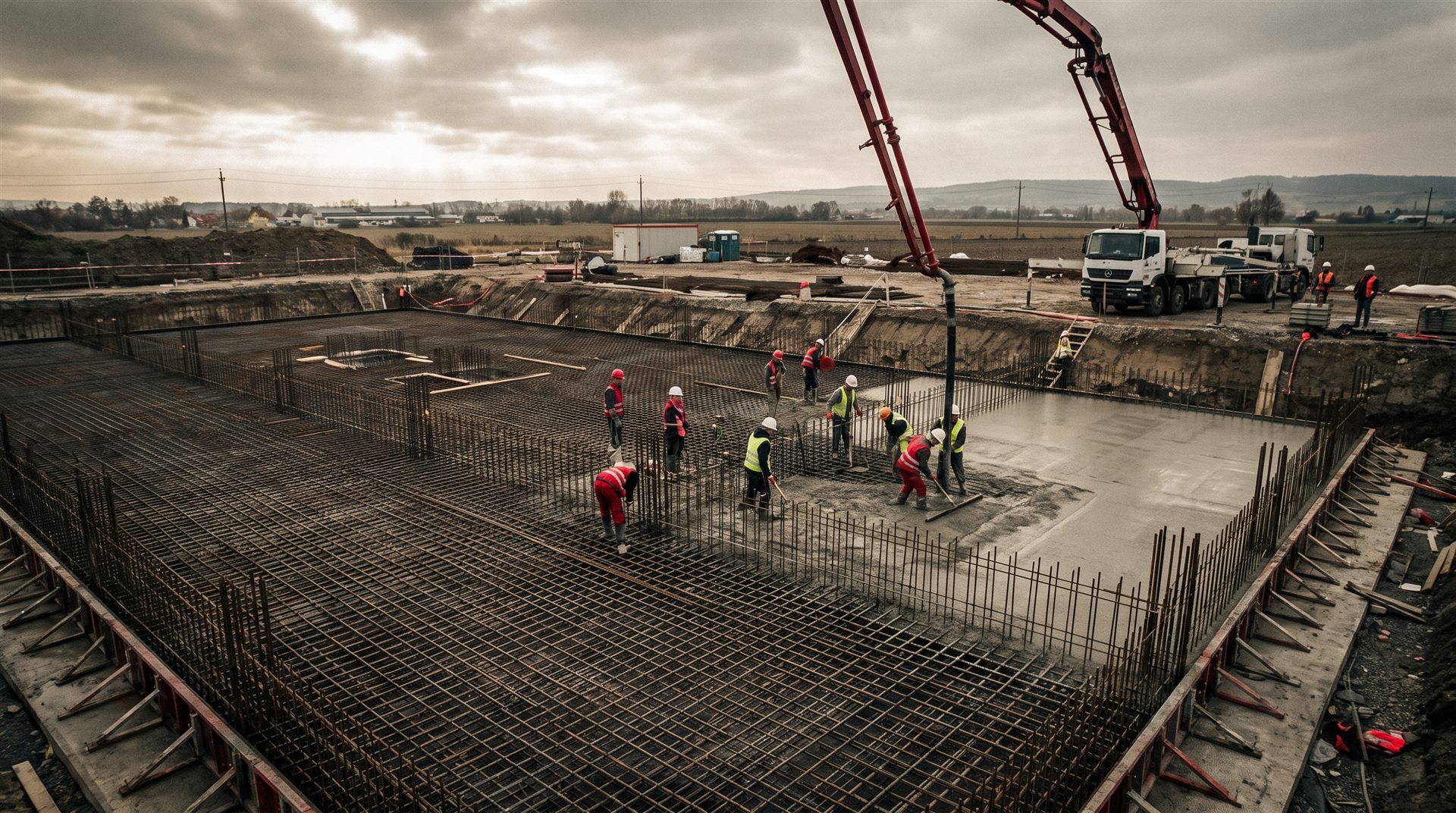
Steam is used in the food industry for cooking, sterilising and pasteurising, in textiles for dyeing and pressing, and in chemical and pharmaceutical plants for process work. Hospitals, laundries, timber drying kilns and steam curing of precast concrete also rely on steam boilers.
What to look for when choosing
The key figures are steam output, operating pressure and efficiency. Fuel type, boiler room size and water quality also matter: chemically treated feed water prevents scale and extends the life of a steam boiler.
All articles